
Eastmallbuy Finds
Spreadsheet
OVER 5000+
WITH QC PHOTOS
Click the images below to browse!
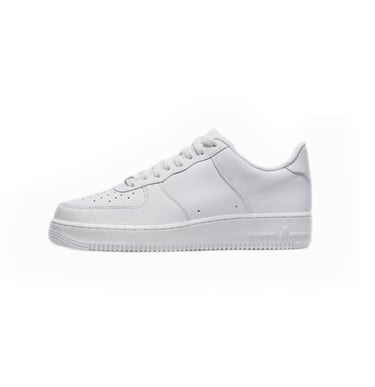
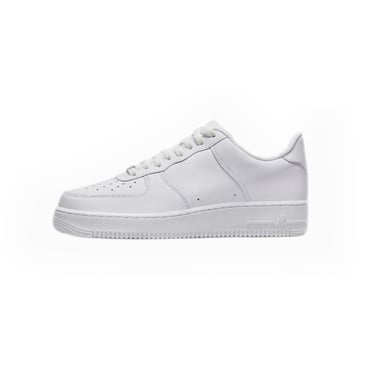


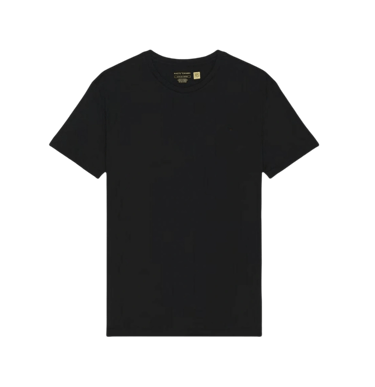
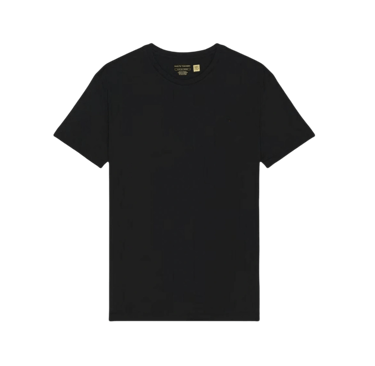
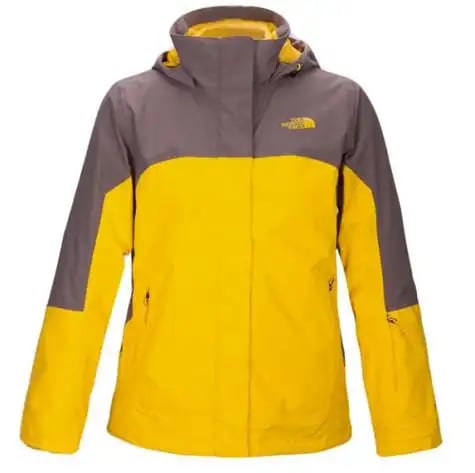


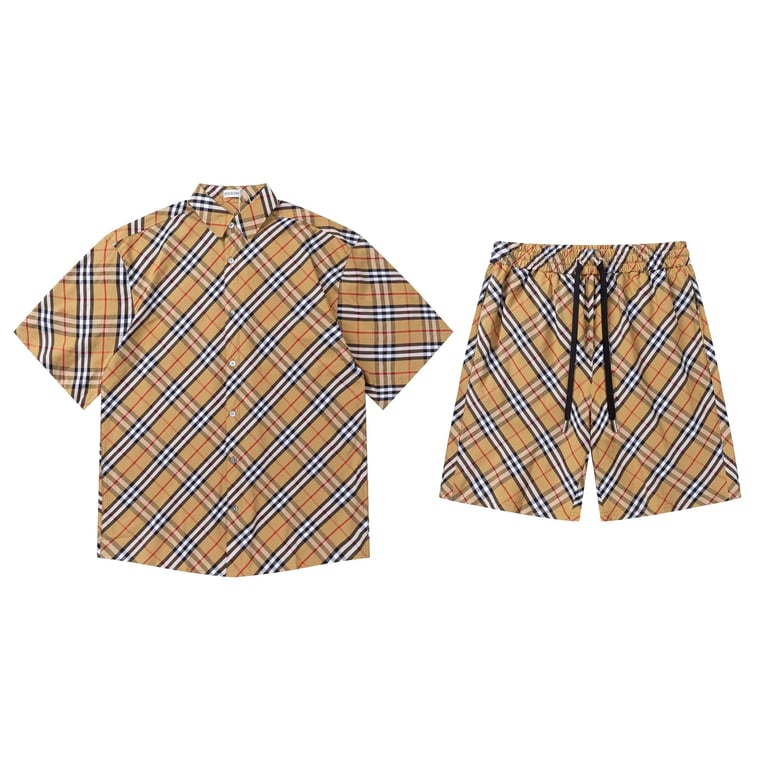
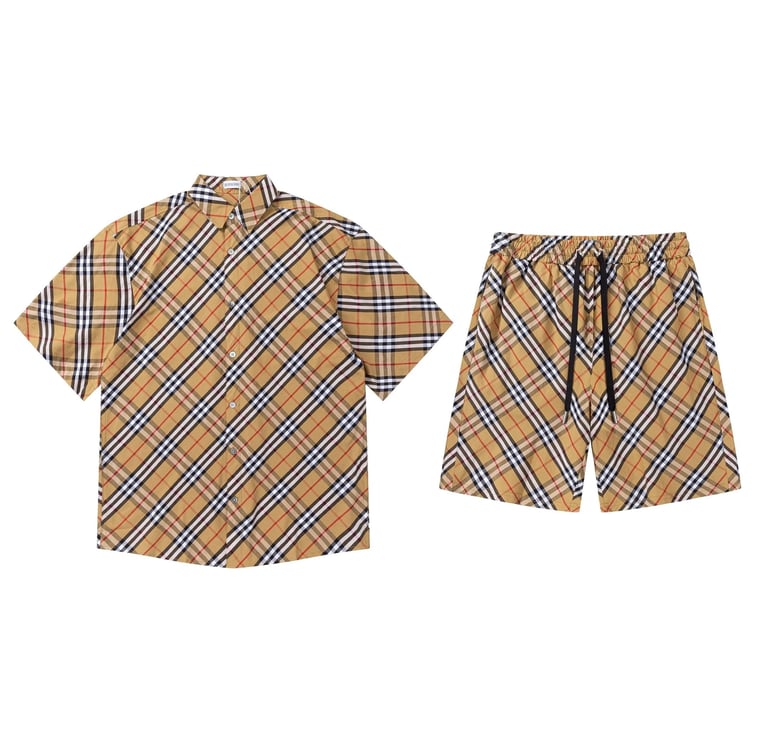
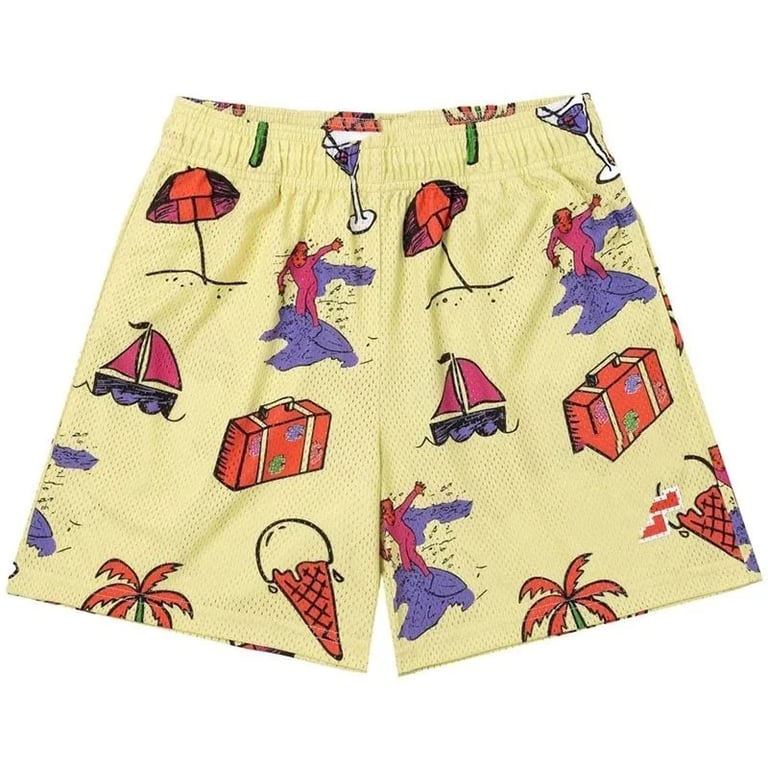
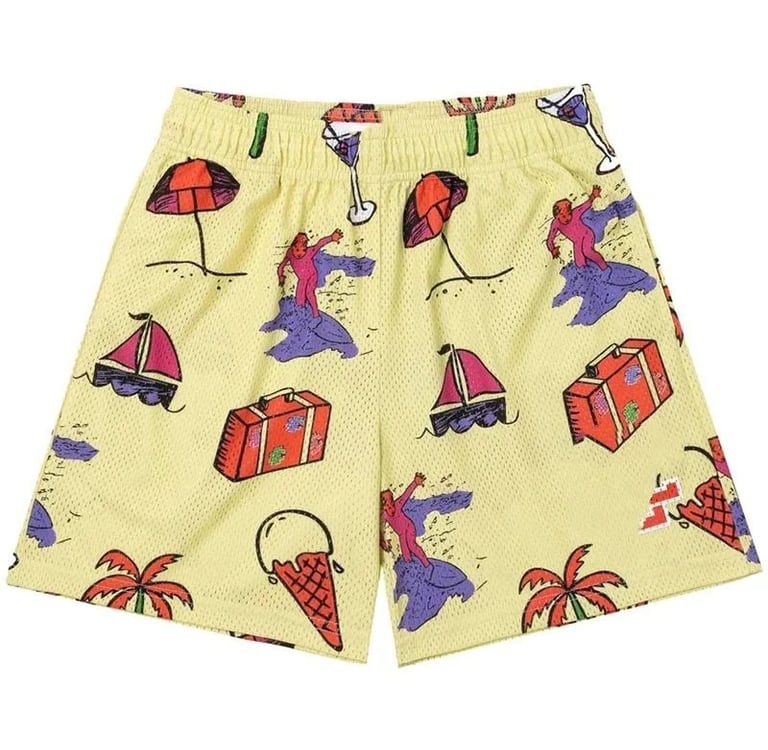
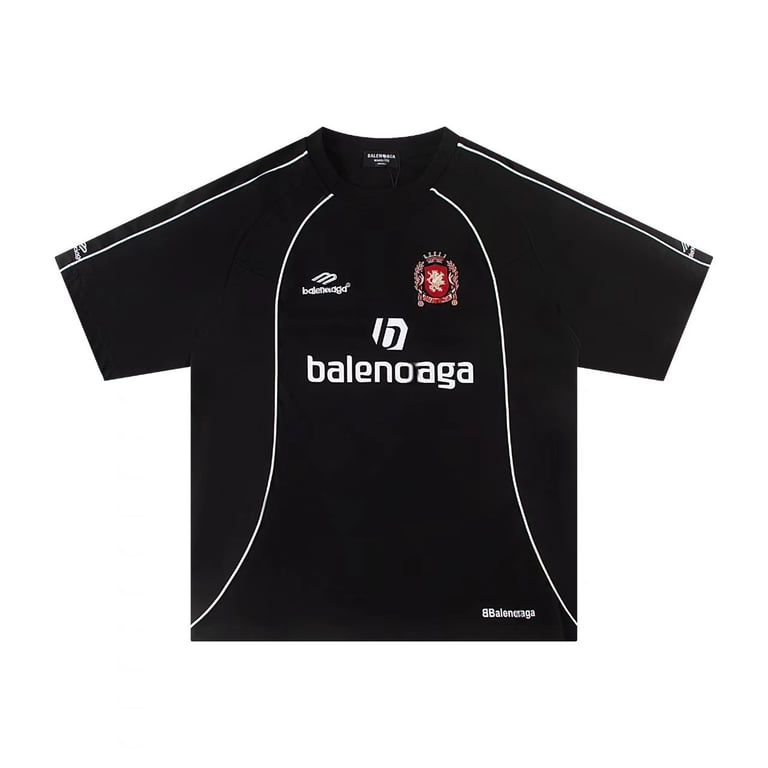
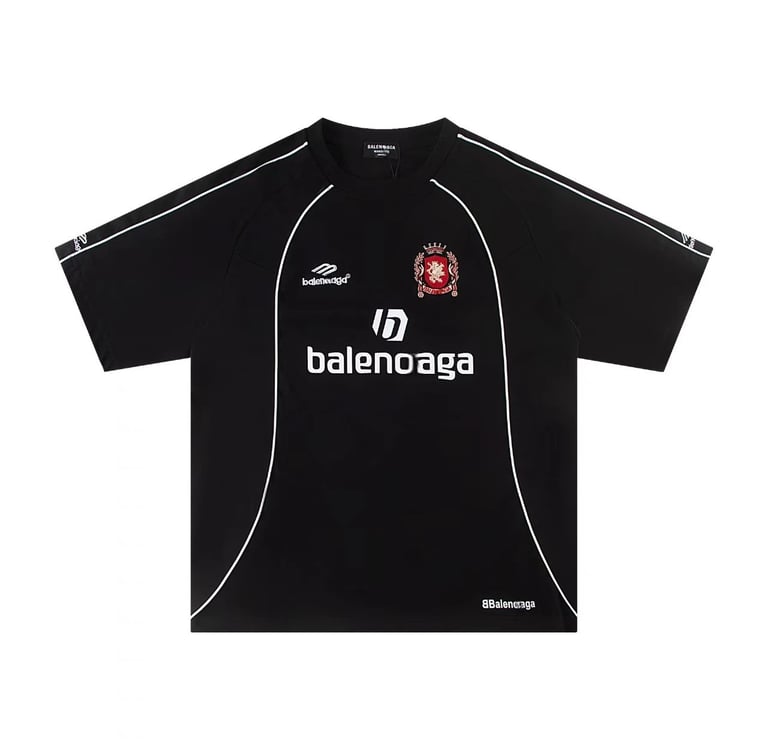



Global Reverse Cross-Border Shopping & Product Sourcing Network
🌍 Understanding the Eastmallbuy Ecosystem
Modern cross-border shopping is no longer just about buying overseas products. It has evolved into a structured sourcing network where products are collected from domestic Chinese platforms such as 1688 and Weidian, then redistributed globally through coordinated fulfillment systems.
Within this ecosystem, the Eastmallbuy spreadsheet is used to organize and structure product sourcing data, especially when items are collected from multiple suppliers and need to be standardized before global distribution.
Instead of operating as a simple storefront, the system behaves more like a structured sourcing layer where fragmented product inputs are continuously organized into usable commerce data.
🧭 Reverse Sourcing Model in Global Trade
Reverse cross-border commerce works differently from traditional retail. Instead of relying on pre-stocked catalogs, products are dynamically sourced from upstream platforms based on demand patterns.
Typical sourcing behavior includes:
Collecting product listings from 1688 manufacturers
Extracting trending items from Weidian stores
Matching supplier variations for the same product
Reorganizing inconsistent listings into standardized formats
Preparing global-ready product entries for fulfillment
The Eastmallbuy spreadsheet plays a central role in structuring this sourcing workflow, ensuring that raw supplier data can be transformed into consistent product records for international distribution.
🧩 Product Structuring & Sourcing Logic
Rather than treating supplier listings as final products, the system interprets them as raw inputs that require normalization.
This includes:
Converting inconsistent supplier descriptions into standardized product formats
Aligning similar products from multiple Chinese marketplaces
Filtering duplicate or near-duplicate supplier entries
Structuring attributes such as size, material, and variant options
Preparing unified product records for global fulfillment workflows
The Eastmallbuy spreadsheet is heavily used in this process to ensure that sourcing data remains structured and scalable across different product categories.
🔗 Cross-Market Product Flow Observation
Once products are structured, they enter a distribution stage where they are prepared for global shipping and marketplace exposure.
At this stage, Eastmallbuy links becomes relevant in observing how specific product entries move through different sourcing paths and distribution channels.
This includes:
Tracking how supplier products are selected for global listings
Observing how similar items are grouped for fulfillment efficiency
Identifying patterns in cross-platform sourcing decisions
Understanding how product variations are distributed internationally
🧠 Why Structured Sourcing Matters
Without structured sourcing systems, reverse cross-border commerce becomes chaotic:
Supplier data becomes inconsistent across categories
Duplicate products appear in multiple variations
Fulfillment decisions become inefficient
Global distribution lacks standardization
The Eastmallbuy spreadsheet helps solve these issues by turning fragmented supplier data into structured sourcing datasets that can be reliably used for international fulfillment.
🌐 From Local Supply to Global Distribution
The Eastmallbuy model connects local Chinese supply chains with global consumers through a structured transformation process.
Within this system:
1688 and Weidian act as upstream sourcing networks
Product data is continuously collected and reorganized
Listings are standardized before international exposure
Global delivery is coordinated through structured fulfillment logic
The Eastmallbuy spreadsheet supports this transformation by organizing sourcing data into structured formats that can be scaled across multiple product categories.
Meanwhile, Eastmallbuy links helps interpret how sourcing decisions propagate through the distribution pipeline.
🧩 System Overview
📊 Sourcing Structuring Layer
Product data collection from 1688 and Weidian
Supplier listing normalization
Attribute standardization
Duplicate filtering
Structured sourcing dataset creation
🔗 Distribution Flow Layer
Cross-border product movement tracking
Sourcing path observation
Global fulfillment pattern analysis
Product selection behavior mapping
Distribution structure interpretation
🚀 System Evolution Direction
The system continues to evolve as reverse cross-border commerce expands globally.
Future improvements focus on:
Faster supplier data structuring from multi-source platforms
More accurate alignment of similar products across marketplaces
Improved global fulfillment optimization models
Better interpretation of sourcing-to-distribution pipelines
Enhanced efficiency in cross-border product selection systems
🎯 Final Insight
Eastmallbuy is not just a shopping platform—it is a reverse sourcing system that connects global consumers with upstream Chinese supply networks. The Eastmallbuy spreadsheet enables structured organization of fragmented supplier data, while Eastmallbuy links helps interpret how products flow through sourcing and distribution stages.
Together, they form a structured cross-border commerce framework that transforms raw supplier information into globally deliverable product systems.


Frequently Asked Questions (FAQ)
Q1: What makes Eastmallbuy different from a regular online shopping site?
Eastmallbuy is built around a reverse cross-border sourcing model rather than a fixed retail catalog. Instead of only selling pre-stocked items, it gathers products directly from upstream platforms like 1688 and Weidian, then organizes them for global delivery. The Eastmallbuy spreadsheet is used to structure this sourcing process so that supplier data can be managed consistently before international fulfillment.
Q2: How are products selected for global customers?
Product selection is based on sourcing activity from multiple suppliers rather than a single warehouse inventory. Items are collected, compared, and standardized before being offered globally. The Eastmallbuy spreadsheet helps organize these supplier inputs into structured product records that can be reviewed and processed efficiently.
Q3: Why do products sometimes have multiple similar versions?
Because products are sourced from different suppliers, similar items may exist with slight variations in materials, pricing, or packaging. These differences come from upstream platforms rather than the retail system itself. The Eastmallbuy links is used to observe how these similar supplier entries appear across sourcing channels before they are standardized.
Q4: How does Eastmallbuy handle inconsistent supplier information?
Supplier data from 1688 and Weidian often varies in format and completeness. Instead of displaying raw information, the system restructures it into unified formats. The Eastmallbuy spreadsheet is responsible for converting these inconsistent inputs into standardized product structures.
Q5: Is inventory fixed or dynamic in this system?
Inventory is dynamic because products are sourced based on availability from upstream suppliers. Items may change depending on supplier stock and demand trends. The Eastmallbuy spreadsheet helps track and organize these changing inputs so that product availability remains structured.
Q6: What role do supplier platforms play in Eastmallbuy?
Platforms like 1688 and Weidian act as the primary supply sources. Products are not originally stored in Eastmallbuy but are gathered from these external ecosystems. The Eastmallbuy links helps interpret how supplier listings are selected and connected within the sourcing process.
Q7: How is product quality maintained across different suppliers?
Since products come from multiple suppliers, consistency is maintained through structured selection and data organization rather than manual inspection alone. The Eastmallbuy spreadsheet helps standardize product attributes so that only comparable listings are grouped together.
Q8: Why is structured data important for cross-border fulfillment?
Without structured data, supplier information becomes fragmented and difficult to manage across international logistics. The Eastmallbuy spreadsheet ensures that sourcing data is organized into consistent formats that can be used for global shipping and fulfillment processes.
Q9: Does Eastmallbuy store products permanently?
No, products are not permanently stored in a traditional inventory system. Instead, they are dynamically sourced and reorganized based on supplier availability. The Eastmallbuy spreadsheet helps maintain structured records of these temporary sourcing selections.
Q10: What is the main purpose of the Eastmallbuy system?
The main purpose is to connect global consumers with upstream Chinese supply platforms through a structured reverse sourcing model. The Eastmallbuy spreadsheet organizes fragmented supplier data into usable product structures, while Eastmallbuy links helps interpret how sourcing patterns emerge across different supplier networks.